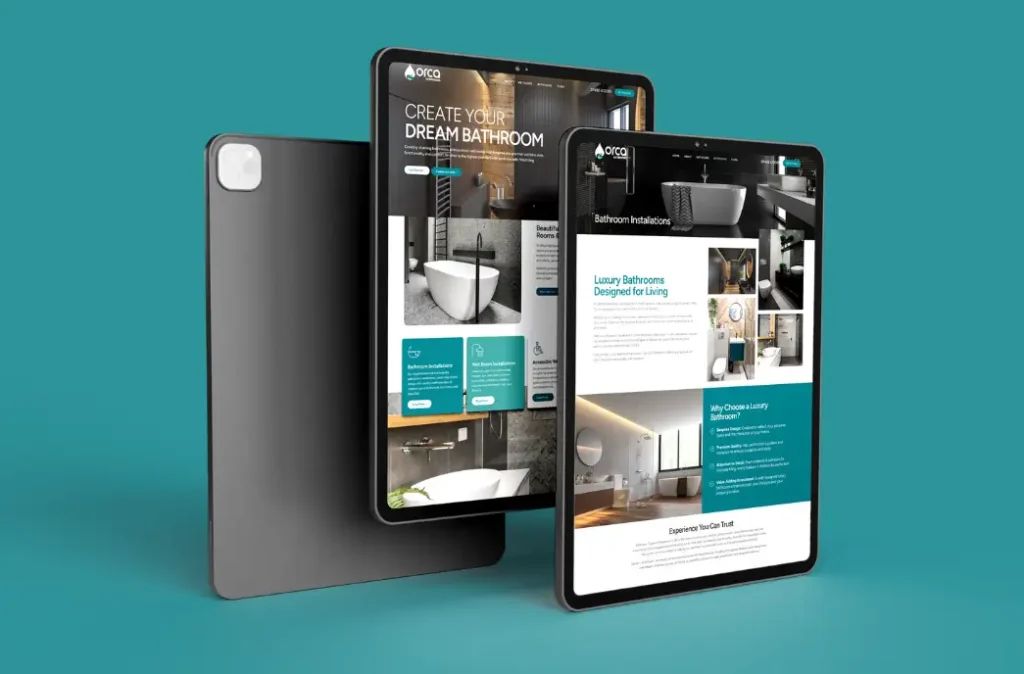

In today’s fast-paced digital world, minimalist web design has emerged as a powerful trend that prioritises simplicity, clarity, and functionality. This approach focuses on removing unnecessary elements, allowing core content and essential features to shine. But why is minimalist design so effective, and how can it transform your website? Let’s explore the principles, benefits, and best practices of minimalist web design.
What Is Minimalist Web Design?
Minimalist web design emphasises clean layouts, ample white space, simple navigation, and essential content. It’s rooted in the idea that “less is more,” where every design element serves a specific purpose. This philosophy strips away clutter to create visually pleasing and user-friendly websites.
Why Minimalist Design Works
- Enhanced User Experience: A clutter-free interface helps users find information quickly and navigate with ease. Minimalist design reduces cognitive load, making interactions more intuitive.
- Faster Loading Times: With fewer design elements, minimalist websites often load faster, improving site performance and reducing bounce rates.
- Better Mobile Compatibility: Simpler Web site designs adapt easily to various screen sizes, enhancing usability on smartphones and tablets.
- Focus on Content: Minimalism directs attention to essential content, such as product descriptions, calls-to-action, and key messages.
- Timeless Aesthetic: Unlike trend-heavy designs, minimalist websites tend to age gracefully, requiring fewer updates over time.
Core Principles of Minimalist Web Design
- Simplicity: Use only necessary design elements that enhance the user experience.
- White Space: Allow generous spacing to create a clean, breathable layout.
- Limited Color Palette: Stick to a few complementary colors for a harmonious look.
- Typography Focus: Choose clear, readable fonts that align with your brand’s personality.
- Functional Elements: Include only essential features, such as a clear call-to-action, search bar, and simple navigation.
Best Practices for Minimalist Web Design
- Prioritise Content: Keep the most important information front and center.
- Use High-Quality Visuals: Invest in professional images or illustrations that convey your message without overcrowding the page.
- Adopt Simple Navigation: Use clear labels and an intuitive menu structure.
- Maintain Consistency: Ensure consistent styling across all pages for a unified experience.
- Test for Usability: Regularly conduct user testing to identify any usability issues.
Examples of Minimalist Websites Done Right
- Apple: Known for its clean product pages and straightforward navigation.
- Airbnb: Uses a spacious layout with intuitive search and minimal distractions.
- Dropbox: Features simple messaging, bold visuals, and clear calls-to-action.
Conclusion
Minimalist web design is more than just a visual style—it’s a strategic approach that enhances usability, performance, and brand perception. By focusing on simplicity and purpose-driven website design, you can create a website that not only looks stunning but also delivers an exceptional user experience. When in doubt, remember: less truly is more.