
Introduction
A brand identity and the principles it seeks to uphold are at the centre of its personality. It combines what your identity says, how you want to market your goods, and the emotions you want customers to have when working with your business. In the end, it comes down to the character of your company and your dedication to your clients. People contact with dozens of companies every day, but what makes some of them stick out more than others?
We’ll discuss the key elements of creating a distinctive brand identity in this post.
1) Know your target audience
Market research is the first stage in developing a brand identity, as it will help you show your product or service as the answer to the needs of your target market. Also, it’s critical to highlight how your brand differs from competing products. Building a great brand requires understanding how you differ from your industry rivals.
Making your logo recognisable to buyers will also be greatly aided by having a strong personality. Are you playful and jovial? high-end and costly? You will be able to get the best representation of your brand by using type, colours, and graphics.
Take a look at our most recent brand for Good Karma Eyewear. The bold colours, strong typeface and simplistic design gives you an insight to them as a company and their personality. This identity spans across the design of the website, stationery, exhibition design and marketing material.

2) Design a strong logo
Although a logo is not your company’s complete identity, it is the most recognisable part of it. From your website to your packaging, your social media pages to your business cards, your logo will be present on every part of your designs.
Your brand and the way you want to represent it to the world will strongly influence the direction your logo design should go. Investigating a more conceptual icon to emphasise what your organisation performs is one approach. For instance, the recognisable Nike “swoosh” conveys a sense of motion and speed, which is ideal for a sportswear company. It is one of the most aesthetically pleasing and recognisable logos to date.
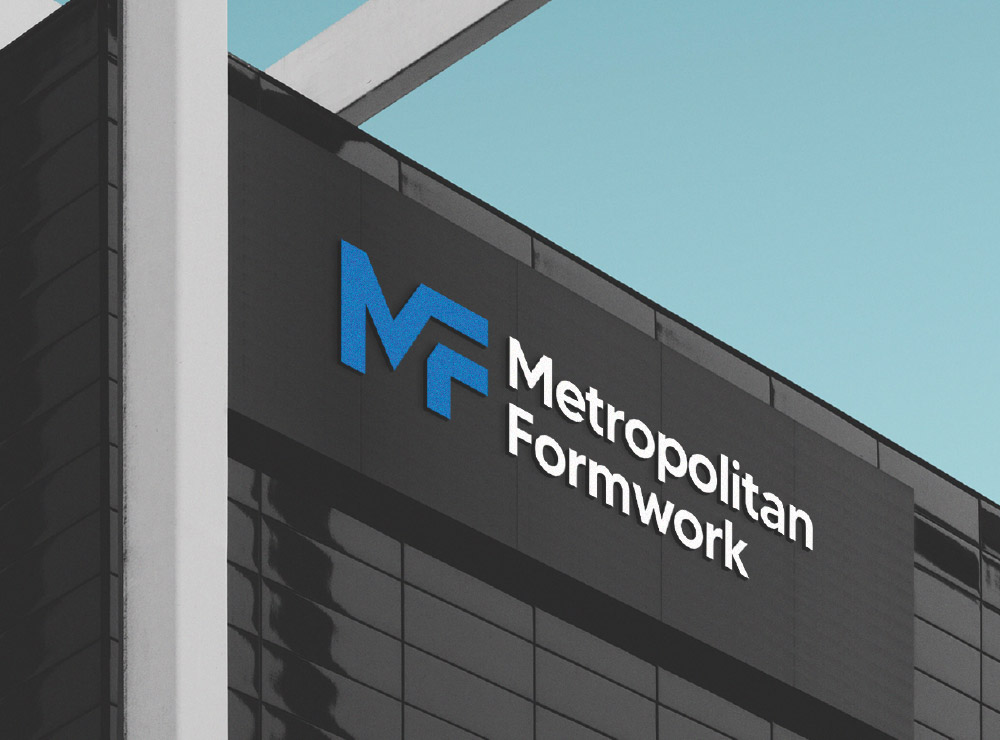
The typeface you use for your logo is crucial if you decide to go the typographic approach. One of the most well-liked trends in logo design is still creative typography. The new logo for Metropolitan Formwork using a bold, clean, sans font, coupled with an amalgamation of their initials to create this strong logo.
3) Introduce great photography
Photography is a terrific method to visually express your brand’s personality into something more recognisable for your audience once your logo, typefaces, and colours have been chosen.
Your photos will need to successfully depict your target audience and personality, as we covered before when discussing knowing your target audience.
Custom photography will work wonders for attracting your target audience, but you need to have a recognisable visual identity early on.
Conclusion
When attempting to create an identity that is not only distinctive but also has a strong personality and a clear objective, these are some of the crucial elements you can concentrate on.
Clients can be visually engaged by elements like your logo, colour scheme, typography, and photography, but in order to develop a devoted customer base, your values and principles must support your corporate identity.
Would you like Fusion Creative to design your new logo?
Please get in touch and we can discuss your ideas and develop them to get the logo your company deserves. We specialise in business startups and can supply everything you need to get your business off the ground including emails, hosting, website design, logo, stationery and social media management